

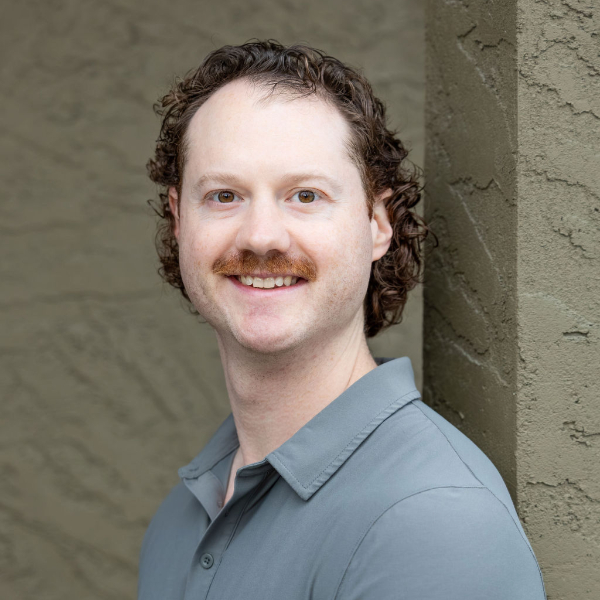
Logan Grundy
Traditional Chinese Medicine (TCM) is built upon a medical system with over 2,500 years of clinical evolution. We view the body as a sophisticated biological network, utilizing precise physiological interventions to stimulate innate healing mechanisms. While the primary modality is acupuncture, we also integrate herbal medicine, myofascial cupping, gua sha (IASTM – Instrument-Assisted Soft Tissue Mobilization), and corrective exercise to facilitate systemic recovery.
We specialize in modulating the nervous system to resolve acute and chronic pain, optimize movement mechanics, and restore autonomic balance. By integrating functional movement assessments with targeted needling, we address the root cause of dysfunction, whether that manifests as physical pain and compensation patterns or a systemic imbalance within the nervous system.
What a Treatment Looks Like
1. Clinical Intake & History
We begin with a comprehensive analysis of your primary concerns, injury history, and lifestyle factors. Whether we are addressing a physical injury or internal dysregulation, understanding your unique history is essential for building an effective clinical plan.
2. Neuromuscular & Systemic Assessment
For pain or movement-related issues, we utilize the EXSTORE® System, a proven clinical method for assessing the musculoskeletal system through range-of-motion scans and manual muscle testing. For internal concerns, we use a combination of TCM diagnostics and an assessment of your autonomic nervous system to identify why your body may be “stuck” in a sympathetic (stress) state.
3. Precision Intervention
Based on assessment data, we apply a tailored combination of targeted therapies:
Sports & Orthopedic Needling: Utilizing motor and trigger points, often in combination with electroacupuncture, to “reset” inhibited muscles and release chronic tension.
Neurological Modulation: Using traditional acupuncture points to down-regulate the “fight or flight” response and encourage systemic repair.
Manual & Supportive Modalities: Including cupping (myofascial decompression) or gua sha (IASTM) to address soft tissue restrictions and fascial adhesions.
4. Retesting & Integration
We prioritize objective results. After the treatment, we re-examine your range of motion, strength, or systemic markers to provide immediate, objective feedback on the treatment’s efficacy.
5. Continued Care
To ensure the clinical changes stick, you will receive a personalized plan. This may include corrective exercises to reinforce new movement patterns or lifestyle protocols to help maintain a regulated nervous system.

TCM / Acupuncture services offered:
DRY NEEDLING
The insertion of a fine needle into contracted muscle tissue to elicit a local twitch response. This clinical technique decreases muscle tension and resolves referred pain patterns.
MOTOR POINT ACUPUNCTURE
Needles are applied to specific motor points—the site where a nerve enters the muscle—to produce a strong regulatory effect on muscle tone and function.
ELECTROACUPUNCTURE
The application of regulated electrical impulses to acupuncture needles. This is used to modulate pain signaling, increase localized blood flow, and improve neuromuscular activation.
ORTHOPEDIC ASSESSMENT
Utilizing orthopedic test, manual muscle testing and range-of-motion scans to identify movement compensations and neurological deficiencies. This data-driven approach determines the most effective treatment strategy for injury and performance.
CUPPING & GUA SHA (IASTM)
These modalities utilize mechanical decompression and friction to increase tissue mobility, promote nutrient delivery, and accelerate cellular repair by restoring healthy circulation and lymphatic flow.
HERBAL MEDICINE (PHYTOTHERAPY)
We utilize traditional Chinese herbology to support internal biochemistry when needed. This approach is used primarily as a secondary support for digestive dysfunction and the regulation of the HPA axis to improve sleep quality and reduce the physiological symptoms of stress and anxiety.